
The Complete Guide to Marble: From Quarry to Your Home | Marble Engineer
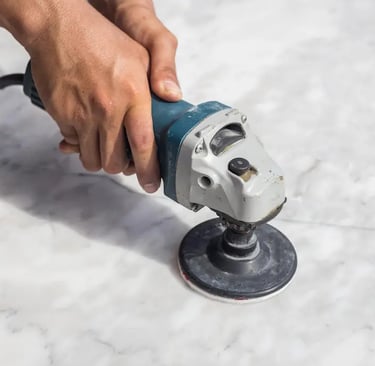
Marble is one of the most timeless and elegant materials ever used in construction and interior design. From luxurious flooring to premium countertops and artistic sculptures, marble continues to stand out for its durability, beauty, and natural uniqueness. At Marble Engineer, we work closely with homeowners, architects, and builders to bring the finest stone craftsmanship to life. In this guide, we’ll explain the journey of marble—from the moment it is extracted from the earth to the moment it enhances your home. 1. What Makes Marble So Special? Marble is a metamorphic rock formed when limestone undergoes heat and pressure deep within the Earth. This natural process creates the beautiful veining, color patterns, and textures that marble is known for. Key qualities of marble: Natural beauty with unique veining High durability when maintained properly Heat resistance, making it ideal for kitchens Premium finish that adds value to any space Long lifespan, often lasting decades No two marble slabs are ever identical—that is what makes each installation unique. 2. How Marble Is Extracted: The Quarrying Process The journey of marble begins in large open quarries where huge blocks are cut from mountain stone. Extraction steps: Identifying high-quality stone veins Cutting large blocks using wire saws or diamond-tipped blades Careful transportation to processing factories Shaping and slicing into slabs Polishing to achieve shine and surface smoothness This process requires precision and engineering expertise—which is where companies like Marble Engineer come in. 3. Types of Marble and Their Uses Marble comes in various types, each suitable for different applications. Popular marble varieties: Carrara Marble – White/grey, perfect for modern interiors Calacatta Marble – Bold veining, luxury look Makrana Marble – Iconic Indian marble used in the Taj Mahal Black Marquina – Elegant black marble with white veins Onyx Marble – Translucent stone for backlit designs Where marble works best: Flooring Kitchen countertops Bathroom vanities Wall cladding Stairs Tabletops 4. Marble Installation: What Homeowners Should Know A successful marble installation requires experienced engineering and attention to detail. Important steps: Accurate measurement and layout Slab selection and matching veins Cutting and shaping for edges Proper adhesive and leveling Sealing to prevent stains Final polishing Professional installation ensures marble stays strong, shiny, and beautiful for years. 5. How to Maintain Marble for a Lifetime Marble maintenance is simple but essential. Daily care tips: Clean spills immediately Use mild soap or pH-neutral cleaners Avoid harsh chemicals Use mats, coasters, and trivets Long-term care: Reseal your marble every 6–12 months Polish when the surface becomes dull Hire professionals for deep cleaning Final Thoughts Marble is more than just a stone—it's a luxury material that adds elegance, durability, and timeless beauty to any home. At Marble Engineer, our mission is to deliver high-quality marble solutions, expert installation, and long-lasting value for your space..

My post content

Contacts
office - Deepak Marg, Adarsh Nagar, Moti dungari road, Jaipur,Rajasthan, India 302004
+91-8442009295
MarbleEngineer
Marble Engineer transforms marble and stone into artful masterpieces, merging traditional craftsmanship with modern designs to create unparalleled products that elevate architectural and decorative spaces with elegance.
© Copyright 2026 | Marble engineer | All right reserved | Managed By Marble engineer